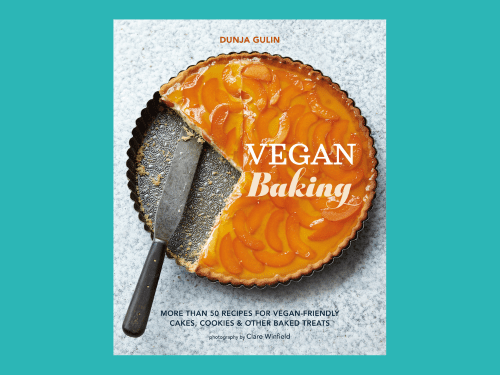
Win a copy of ‘Vegan Baking’ by Dunja Gulin!
Posted: 19 Apr 2024


Want some #plantbased baking inspiration? @dunjagulin`s new cookbook ‘Vegan Baking’, from @rylandpetersandsmall, has over 50 recipes for cookies, crumbles, cakes, muffins and more! Better yet, you could win a copy in our latest giveaway, so enter today! 🧁
Head to the link in bio or to https://meatfreemondays.com/win-a-copy-of-vegan-baking-by-dunja-gulin/ to enter!
Perfect with a #plantbased centrepiece or as a tasty snack on its own, these Roasted Radishes with Garlic and Rosemary from @cook.vegetarian are bound to be a peppery dinner party hit! #MeatFreeMonday
Head to the link in bio for the full recipe or go to https://meatfreemondays.com/recipes/roasted-radishes-garlic-rosemary/
🥦 Nutritious and cruciferous, broccoli is a staple in many kitchens! These tiny tasty trees pack a punch, with vitamins A, C and K being just some of the benefits. Broccoli is a great source of fibre, and even contains 2.5g of protein per 100g! As if you needed any more convincing to include more broccoli in your meals, it`s super versatile and delicious and can be roasted, fried, steamed, boiled, grilled or even served raw in a salad bowl. 🥦
What are your favourite broccoli recipes? 💚
Comforting yet light, this Spring Greens Risotto is a great way to make the most of the season – with beautiful green veg and a wild garlic pesto, you`ll be back for another bowlful! #MeatFreeMonday
Link in bio or head to https://meatfreemondays.com/recipes/spring-greens-risotto/
Want to help protect the planet? Try eating #plantbased on Mondays and see the impact you can have! #MeatFreeMonday #EarthDay 🌎🌱
Get the data at https://meatfreemondays.com/calculator/
Fancy a luxurious lasagne but don’t think you have the time? Think again! Our Speedy #PlantBased Lasagne comes together in under an hour packed with all the deliciousness you could want. Try it tonight for a #MeatFreeMonday to remember!
For the full recipe, head to the link in bio or to https://meatfreemondays.com/recipes/speedy-lasagne/